
BRASS PARTS
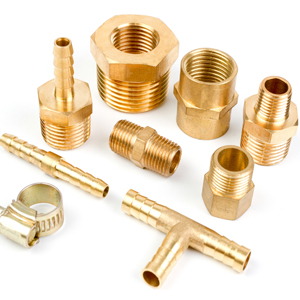
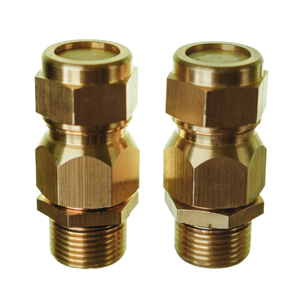
Brass parts products encompass a diverse range of components made from brass, an alloy of copper and zinc.
Overview of Brass Scrap
Leading Import, Export & Trading of Brass Parts From India
The recycling process for brass is less energy-intensive as compared to aluminum and steel and yields a smaller carbon footprint. The ability to reuse brass from recycled materials is a tribute to an industry that is environmentally conscious regarding its use of natural resources.
Economic Advantages
The entire economy of the brass industry is dependent on the economic recycling of any surplus products. There is a wide range of brass materials made for a large variety of applications. To use the most suitable and low cost feedstock for making components gives the most economic value.
Brass for extrusion and hot forging is normally made from a basic melt of scrap of similar composition with minor adjustments. The use of brass scrap means that the cost of the fabricated brass is considerably less than it might otherwise be.
Common Sources of Recyclable Brass
Plumbing Fixtures: Brass fittings and valves are extensively used in home and industrial plumbing systems. This includes pipe connectors, compression fittings, and faucets. Bathroom and kitchen faucets account for a significant amount of recyclable household brass.
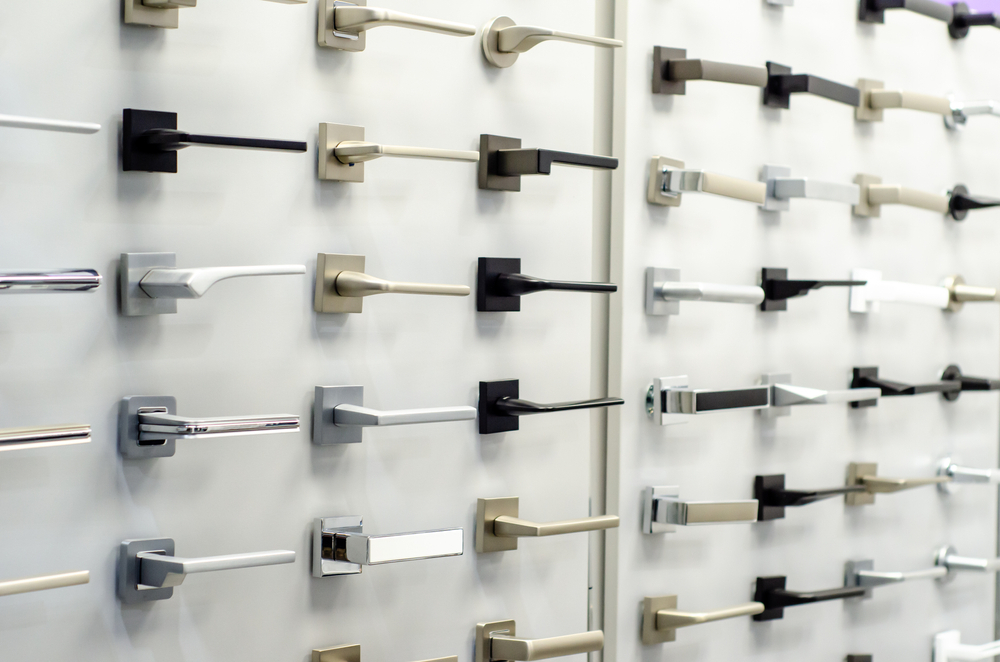
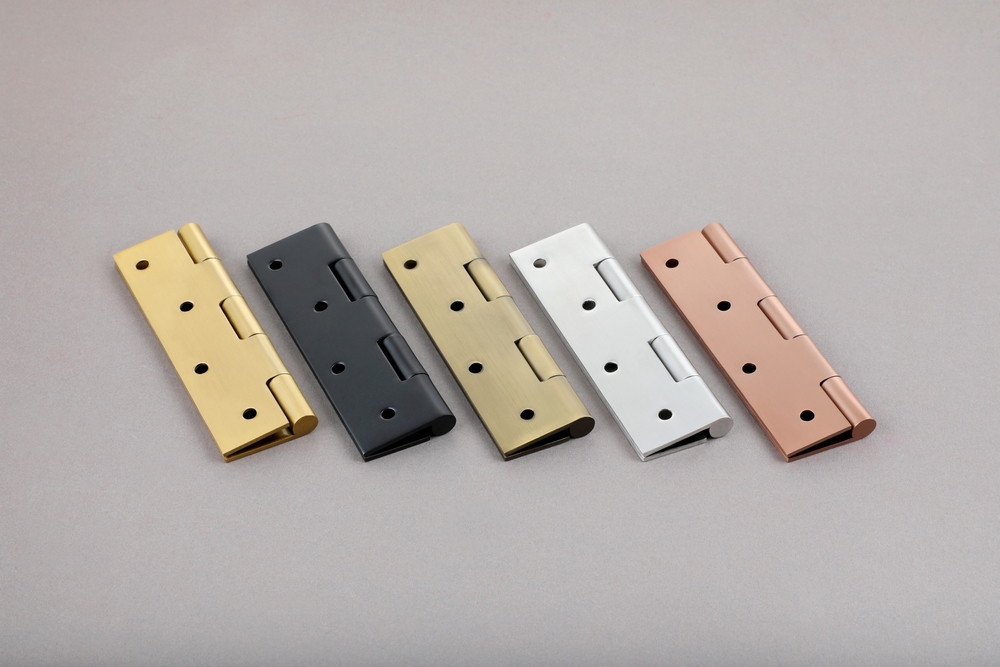
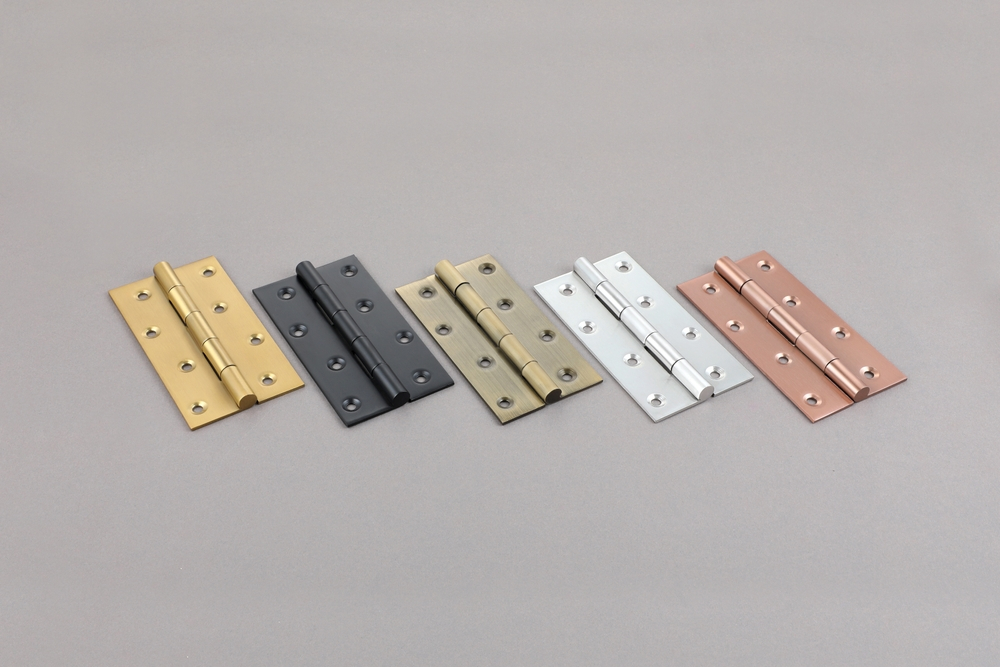
Door Hardware: Knockers, pulls, kick plates, hinges, and locking mechanisms frequently contain brass components. This hardware is often solid brass, brass plated, or contains brass fasteners. Door hardware of all types, whether being replaced or from demolition sites, can be set aside for brass recycling.
Radiators and Electronics: Salvaged antique radiators, heat exchangers, and piping contain significant brass content. E-waste like televisions, batteries, wiring, and computers also have recyclable copper and brass components. While not the largest sources, these niche items expand the pool of recyclable brass.