
BRASS SCRAP
Brass is an alloy composed primarily of copper and zinc, and it may also contain other elements such as lead, tin, or aluminum. Brass scrap can come from various sources, including manufacturing processes, construction, automotive applications, and consumer products.
Overview of Brass Scrap
Leading Import, Export & Trading of Brass Scrap From India
Brass scrap refers to discarded or leftover brass materials that are collected for recycling purposes. Recycling brass scrap is an environmentally responsible practice that helps conserve resources, reduce energy consumption, and minimize waste
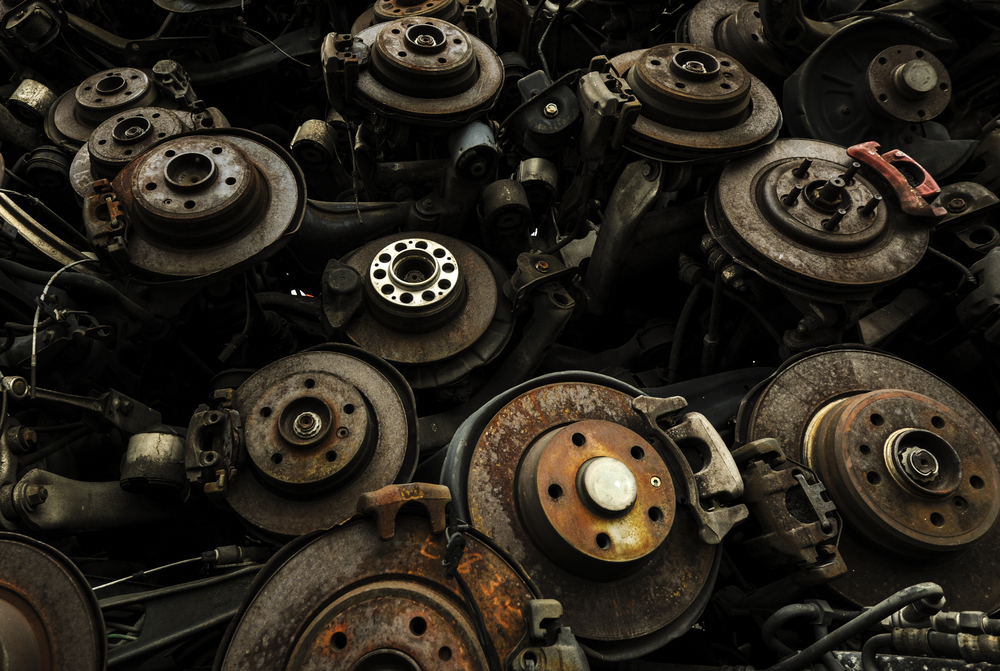
Advantages of recycling Brass scrap material
Resource Conservation : Recycling brass scrap reduces the demand for virgin materials like copper and zinc, conserving valuable natural resources and extending the lifespan of existing metal reserves.
Consistent Quality : Recycled brass maintains high quality, ensuring that products made from recycled brass meet industry standards and performance requirements.
Recycling Brass Scrap Metal Benefits the Environment
Reduced Greenhouse Gas Emissions : The process of mining, refining, and processing metals from ores releases substantial amounts of greenhouse gases. Recycling brass scrap minimizes these emissions, helping to mitigate climate change and air pollution.
Preservation of Ecosystems : Mining operations can disrupt ecosystems, leading to habitat destruction and biodiversity loss. Recycling brass scrap helps preserve natural habitats and protects plant and animal species by reducing the need for additional mining.
Promotion of Circular Economy : Recycling brass scrap aligns with the principles of a circular economy, where materials are reused and recycled in a continuous loop. This approach minimizes the “take-make-dispose” linear model, promoting sustainability and resource efficiency.
Recycling Brass Scrap Conserves Energy
Lower Energy Requirements for Melting : Recycling brass scrap typically involves melting down existing brass items to create new materials. The melting temperatures for recycled brass are generally lower than those required for refining raw materials, resulting in reduced energy consumption during the manufacturing process.
Reduction in Transportation Energy : Transporting raw materials from mining sites to processing plants and then to manufacturing facilities consumes considerable energy. Recycling brass scrap often involves shorter transportation distances, contributing to energy conservation.
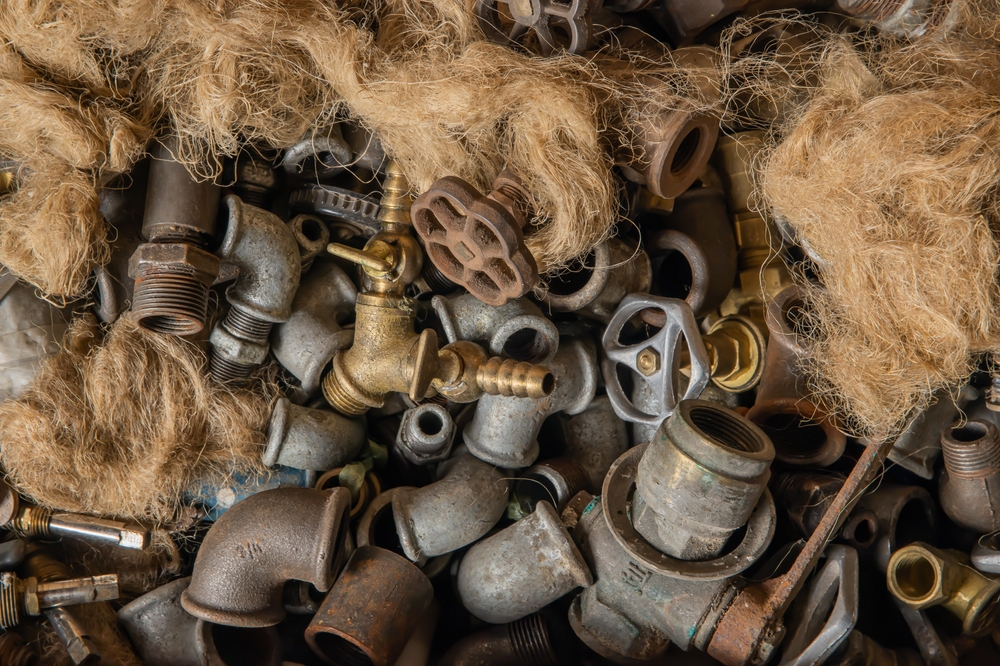
Recycling Brass Scrap is Profitable
Market Demand and Value : Brass is a valuable metal with a consistent market demand due to its versatility and wide range of applications. The market value of brass scrap is influenced by factors such as purity, alloy composition, and prevailing market conditions.
Energy Efficiency : Recycling brass scrap is generally more energy-efficient than extracting and refining metals from raw materials. Lower energy consumption translates to reduced operational costs, contributing to higher profit margins.